November 21, 2026
The home serves as a sanctuary—a place where we seek comfort, safety, and health. However, the presence of pests can severely compromise these attributes, causing both physical and psychological distress. Household pests like termites, rodents, cockroaches, and bedbugs are more than just a nuisance; they pose significant risks to the structure of homes and the health of their inhabitants. According to the U.S. Department of Agriculture, more than 600,000 homes across the U.S. experience partial termite damage each year, making pest control a critical issue for homeowners. This article delves into the essential reasons why residential pest control is vital to safeguarding your home.
Understanding the Threats Posed by Household Pests
Common Pests
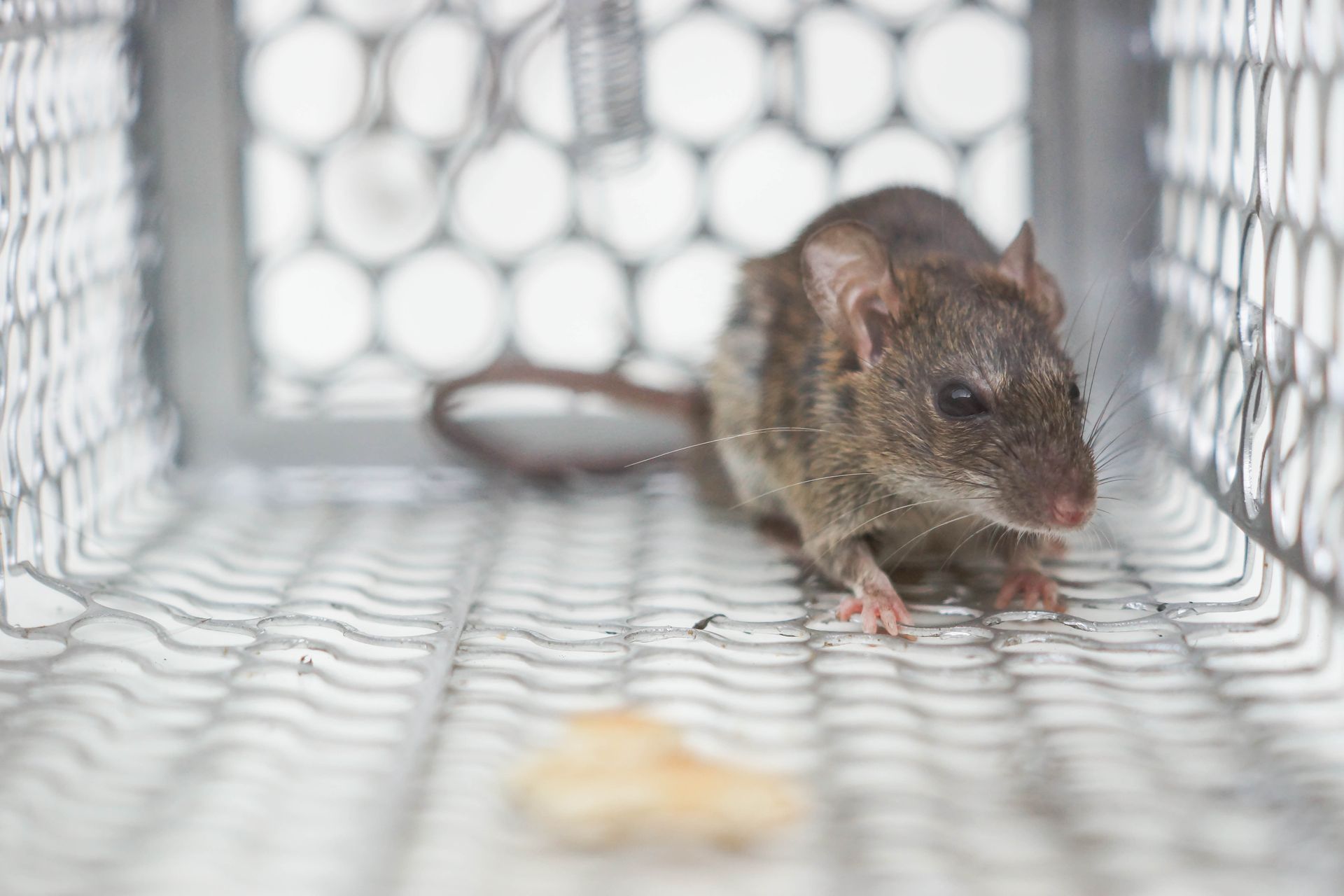
Effective pest management begins with the identification of common household pests. Termites, known for their wood-destroying abilities, often go unnoticed until significant damage has been done. Rodents multiply rapidly and can infest homes, contaminating food supplies with diseases and feces. Cockroaches, capable of triggering asthmatic reactions, are resilient and prolific breeders. Each type of pest brings unique challenges, making identification and tailored approaches essential for effective control.
Health Risks Associated With Pests
Household pests are vectors for a variety of diseases, posing significant health risks to inhabitants. Rodents can transmit hantavirus, Salmonella, and other pathogens through their droppings and urine. Cockroaches are linked to allergies and can exacerbate asthma in children and adults. Bedbugs, though not disease carriers, cause itchy welts and sleepless nights. Understanding these health risks underscores the importance of implementing comprehensive pest management strategies.
Structural Damage Caused by Infestations
Pests like termites are particularly notorious for the structural damage they inflict on homes. With over 600,000 homes experiencing partial termite damage annually in the U.S., the economic implications are staggering. These pests consume wooden structures from the inside out, leading to weakened foundations and costly repairs. Carpenter ants also contribute to structural damage, excavating wood for nesting while accelerating decay. Addressing these infestations early can prevent more extensive reconstruction efforts down the line.
Economic Impact of Pest Damage
The financial burden of pest infestations extends beyond immediate repair costs. Structural damage can depreciate property values, making infestations a point of concern for homeowners looking to sell. Pest infestations can also lead to increased insurance premiums or even denied claims if damage is not addressed promptly. Businesses especially face revenue loss due to reputational damage and operational disruptions. Thus, investing in regular pest control measures is crucial for long-term financial health.
Psychological and Emotional Distress
Living in a pest-infested home can lead to significant psychological distress. Sleepless nights from bedbug bites or the unsettling sight of cockroaches scuttling about can induce anxiety and stress. The fear of disease transmission or further infestation may weigh heavily on the minds of homeowners. Beyond physical damage, pests erode the sense of security and comfort a home should provide. Effective pest control alleviates such mental burdens, fostering a more positive living environment.
The Role of Residential Pest Control in Preventative Measures
Regular Inspections and Their Importance
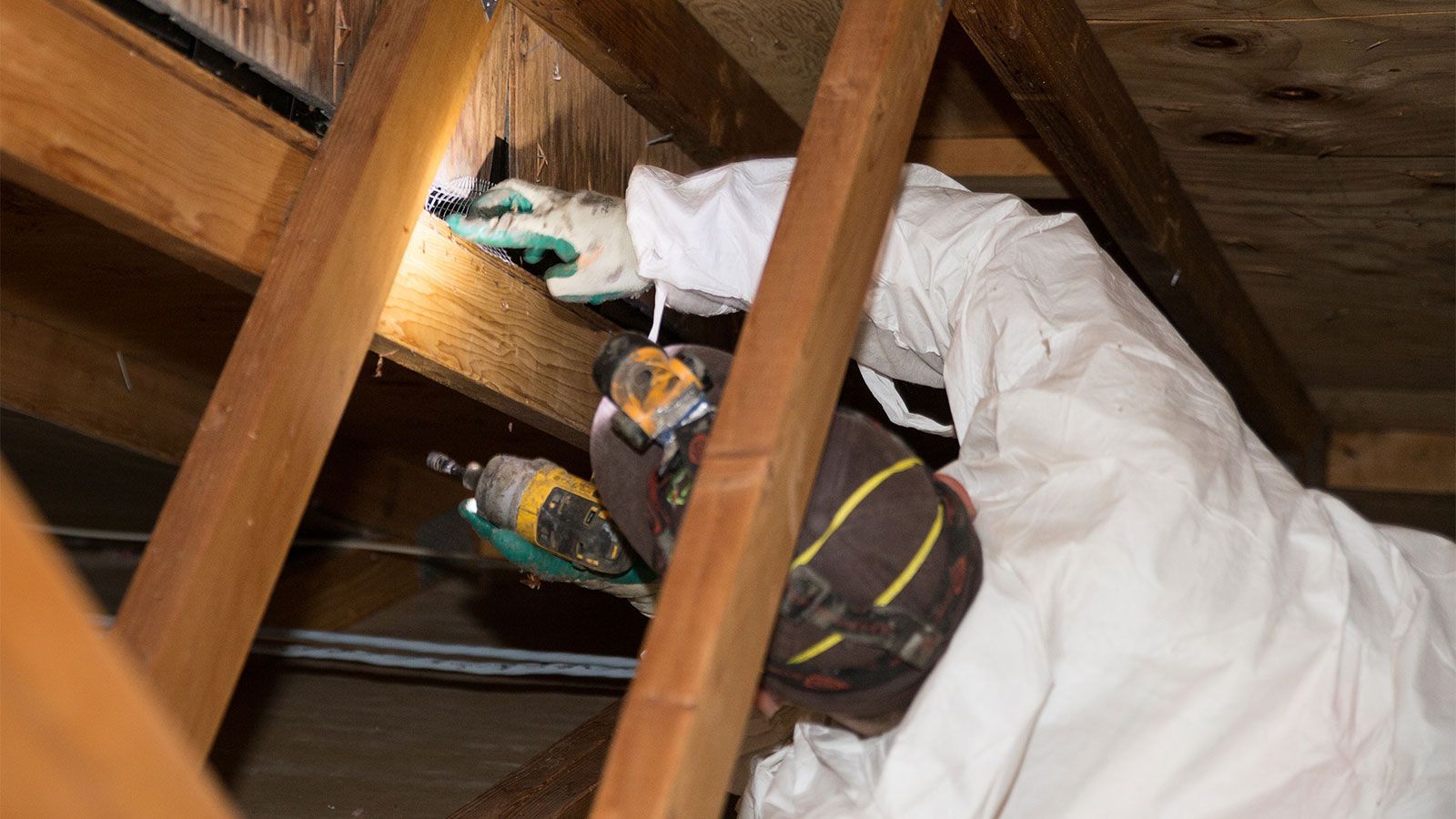
Routine inspections are a cornerstone of effective pest management, acting as a first line of defense. Through regular assessments, potential infestations can be identified and addressed before they spiral out of control. Inspections not only help locate active pests but also uncover conditions conducive to future infestations. Professionals can assess vulnerabilities like entry points or moisture problems, providing homeowners with actionable insights. Such preventative measures ensure a proactive stance against pest threats.
Pest Proliferation and Population Control
Pest populations can grow exponentially if not adequately managed, making control efforts increasingly challenging over time. Without intervention, a small termite infestation can burgeon into a colony threatening the structural integrity of a home. Rodents and cockroaches, known for their rapid reproduction, can become unmanageable without timely control measures. Residential pest control prioritizes population suppression techniques tailored to specific infestations. Timely intervention prevents large-scale outbreaks and mitigates long-term issues.
Tailored Treatment Plans for Specific Needs
Every pest infestation presents unique challenges, necessitating specialized treatment plans. Generic solutions often fall short, leaving vulnerabilities unaddressed. Pest control professionals develop strategies informed by the type of pest, extent of infestation, and specific household conditions. These customized approaches ensure effective mitigation, targeting not just the symptoms, but the root causes. Tailored treatment plans maximize efficacy, resulting in long-lasting pest-free environments.
Early Detection and Mitigation Techniques
Early detection of pest activity minimizes damage and interrupts infestation cycles. Advanced monitoring tools and techniques, such as bait systems for termites, facilitate early warning alerts. By identifying pest presence before populations explode, professionals can implement effective countermeasures swiftly. Early intervention saves time, money, and reduces the severity of required remedial actions. Emphasizing early detection reinforces an effective pest control strategy.
Long-Term Monitoring Strategies
Ongoing monitoring is essential to maintaining a pest-free home and preventing future infestations. Pest control services often integrate long-term monitoring solutions equipped with cutting-edge technology. These systems provide continuous data, enabling swift response to any new threats. Regularly updated pest control plans evolve based on monitoring feedback, adapting to changing conditions. A commitment to long-term pest management strategies ensures sustained home protection.
The Health and Safety Benefits of Professional Pest Control
Reducing Allergens and Asthma Triggers
Pests such as cockroaches, dust mites, and rodents can exacerbate allergies and asthma through their droppings and shed skin. Professional pest control reduces these allergens, creating a healthier indoor environment. Eliminating these pests minimizes potential asthma triggers, improving respiratory health for sensitive individuals. Through targeted interventions, pest control services enhance overall indoor air quality. Protecting health through pest management has longstanding benefits for entire households.
Preventing Food Contamination
Food contamination is a significant concern in homes with unchecked pest activity. Rodents and cockroaches can carry harmful bacteria and pathogens directly into food supplies. By eliminating these pests, professional pest control prevents potential outbreaks of foodborne illnesses. Proper storage and sanitation practices complement pest management efforts to ensure food safety. Comprehensive control strategies ensure a pest-free kitchen and protect against contamination risks.
Minimizing Exposure to Harmful Chemicals
Modern pest control emphasizes the use of safe, environmentally friendly pesticides. Pest control professionals are trained to apply treatments in a manner that minimizes human exposure while maximizing efficacy. Moving away from indiscriminate pesticide use, sustainable solutions now dominate the industry. Homeowners benefit from pest management that safeguards both health and the environment. Professional expertise reduces the risks associated with pesticide misapplication.
Integrating Safe and Eco-Friendly Solutions
Sustainable pest control solutions prioritize eco-friendliness and safety. Bio-friendly products and practices are increasingly popular, minimizing ecological footprints. Integrated Pest Management (IPM) strategies combine preventative measures, mechanical control, and safe chemical interventions. This holistic approach provides comprehensive control while preserving the environment and local biodiversity. Eco-conscious methods elevate pest management to sustainable, responsible standards.
Ensuring Peace of Mind for Homeowners
Professional pest control guarantees peace of mind by eliminating uncertainties surrounding infestations. Knowing that experts actively protect their homes allows homeowners to focus on life without pest-related stress. Reliable pest management minimizes health risks and secures property investments. Reassurance that homes remain healthy, safe, and structurally sound is priceless. Thus, residential pest control fosters serene, worry-free living environments.
Residential pest control is an essential component of home maintenance, safeguarding against diverse threats that compromise safety, health, and financial stability. Through identifying potential risks and implementing strategic interventions, effective pest management protects structural integrity and public health. The advantages extend beyond immediate solutions, encompassing ecological benefits and long-term cost-effectiveness. An informed, proactive approach ensures homes remain sanctuaries of comfort and security for inhabitants. Ultimately, the peace of mind afforded by reliable pest control underscores its vital role in comprehensive home care. Contact Jamul Pest Control.